The way we consume television has changed dramatically in recent years. Traditional cable and satellite services are no longer the only options for viewers who want access to diverse entertainment. A growing number of users are switching to IPTV for greater flexibility, affordability, and control over their content. But what is IPTV? The truth is, it’s more than just another way to watch TV—it’s a digital revolution.
This complete beginner’s guide explains everything you need to know about IPTV, from how it works and its benefits to the best ways to get started. Whether you’re new to streaming or want to replace expensive cable subscriptions, this guide will help you understand IPTV inside and out.
What is IPTV? The Definition
IPTV stands for Internet Protocol Television. Unlike traditional television that uses satellite signals, antennas, or cable networks, IPTV delivers television programs and video content over the internet. This means your favorite TV channels, live broadcasts, and on-demand shows are streamed directly to your device through your internet connection.
When asking, what is IPTV? The answer is simple: it’s a digital way to watch TV content using internet technology. Instead of relying on scheduled programming or bulky satellite dishes, IPTV lets you stream content whenever and wherever you want.
How Does IPTV Work?
To better understand what is IPTV? The working principle involves three key elements:
- Content Delivery – Channels and media are transmitted through secure internet servers rather than traditional broadcasting methods.
- Streaming Protocols – Protocols like HTTP Live Streaming (HLS), MPEG-DASH, and RTSP ensure smooth and stable playback.
- End-User Device – IPTV services can be accessed through smart TVs, set-top boxes, smartphones, tablets, and even web browsers.
Essentially, IPTV converts television signals into data packets, which are then streamed over the internet. The result? Seamless playback with on-demand flexibility.
Types of IPTV Services
When researching what is IPTV? The main categories of IPTV services become important. There are three primary types:
1. Video on Demand (VOD)
This service allows viewers to choose and watch content whenever they like. Examples include streaming platforms like Netflix or Amazon Prime Video.
2. Time-Shifted TV
Also known as catch-up TV, this lets users watch programs they missed by accessing them later. BBC iPlayer is a classic example.
3. Live IPTV
This is the most common IPTV type where users stream live television channels in real-time. Sports events, news, and live shows fall into this category.
Benefits of IPTV
One of the most common questions is, what is IPTV? The benefits can answer that better than definitions alone. Some major advantages include:
- Flexibility: Watch on multiple devices anywhere with internet access.
- On-Demand Access: No need to follow strict broadcast schedules.
- High-Quality Streaming: IPTV supports HD and even 4K resolution.
- Affordable Alternatives: Often cheaper than traditional cable packages.
- Interactive Features: Some IPTV platforms offer EPG (Electronic Program Guide), pause, rewind, and recording features.
Devices Compatible with IPTV
To get the full experience of what is IPTV? The device compatibility must be understood. IPTV can be accessed on:
- Smart TVs (Samsung, LG, Sony, etc.)
- Streaming Boxes (Amazon Firestick, Apple TV, Roku)
- Mobile Devices (iOS and Android apps)
- PCs and Laptops (via IPTV players or web browsers)
- Dedicated IPTV Set-Top Boxes
Internal Links: For detailed setup guides, visit SSIPTV and IPTV Smarters Player.
Popular IPTV Applications
When learning what is IPTV? The role of apps cannot be ignored. IPTV apps provide user-friendly interfaces and smooth playback. Some well-known apps include:
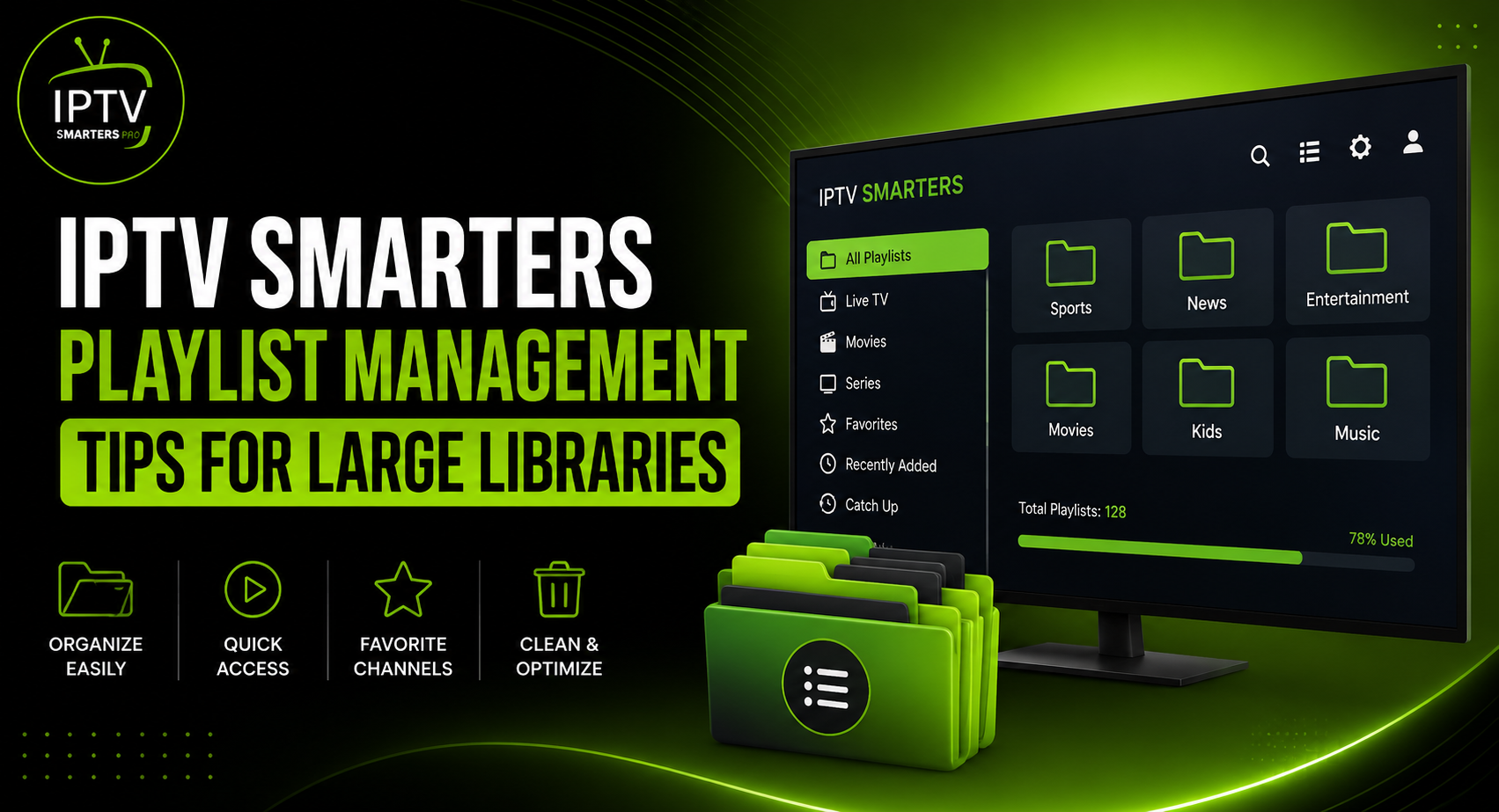
- SSIPTV – Great for managing playlists and accessing live channels.
- IPTV Smarters Player – A powerful IPTV app supporting multiple formats and account types.
These apps make it easy for beginners to get started with IPTV services.
IPTV vs. Traditional TV
To clearly understand what is IPTV? The comparison with traditional TV highlights the differences:
| Feature | IPTV | Traditional TV |
|---|---|---|
| Delivery Method | Internet-based | Satellite/Cable/Antenna |
| Flexibility | High – watch anywhere | Limited to one location |
| Content Type | Live + On-demand | Mostly live channels |
| Cost Efficiency | Generally lower | Often higher |
| Interactive Features | Available | Limited |
IPTV Legal Considerations
Another important aspect when asking, what is IPTV? The legality question arises. IPTV itself is legal, but the legality depends on the content source. Licensed services like Netflix, Hulu, or authorized IPTV providers are completely legal. However, unauthorized providers offering pirated streams may cause legal issues.
Always ensure you’re using legitimate IPTV services for safe and legal streaming.
Challenges of IPTV
Despite the benefits, it’s important to consider potential drawbacks:
- Internet Dependency – IPTV requires a stable internet connection.
- Buffering Issues – Poor connections may lead to lag and delays.
- Content Licensing – Some channels may not be available due to regional restrictions.
- Device Compatibility – Some apps may not support all devices equally.
Future of IPTV
When exploring what is IPTV? The future of streaming looks promising. With 5G networks expanding and internet speeds increasing, IPTV will continue to grow. Enhanced features like personalized recommendations, AI-driven interfaces, and cloud DVRs will further transform the viewing experience.
How to Get Started with IPTV
If you’re curious about what is IPTV? The next step is learning how to set it up:
- Choose a Device – Smart TV, Firestick, or mobile device.
- Install an IPTV App – Try SSIPTV or IPTV Smarters Player.
- Subscribe to a Service – Select a legitimate IPTV provider.
- Add Your Playlist or Login – Input the M3U playlist or Xtream codes provided by your IPTV service.
- Start Streaming – Enjoy live channels and on-demand content instantly.
Outbound References
For more industry insights, check out:
Conclusion
So, what is IPTV? The answer lies in its ability to revolutionize the way we consume television. IPTV combines flexibility, affordability, and high-quality content delivery in one package. It’s the future of TV, giving users complete control over what, when, and how they watch.
Whether you’re cutting the cord, exploring smarter streaming, or simply looking for an affordable entertainment solution, IPTV is the way forward. By using apps like SSIPTV and IPTV Smarters Player, beginners can dive into IPTV with ease.
With the rise of fast internet and advanced apps, IPTV is set to replace traditional TV completely in the near future.