Watching Tribeca Film Festival events through IPTV provides convenient access to one of New York’s most celebrated cultural gatherings. This comprehensive guide explores streaming platforms, technical requirements, and viewing strategies enabling film enthusiasts to experience premieres, documentaries, and special events from this prestigious Manhattan-based festival without attending in person.
The festival’s digital evolution creates unprecedented opportunities for local and international audiences to participate in groundbreaking cinema, innovative storytelling, and exclusive filmmaker conversations through sophisticated streaming infrastructure supporting remote engagement with festival programming.
Table of Contents
- Understanding Tribeca Film Festival’s Digital Presence
- Tribeca Festival Official Streaming Platform
- Virtual Cinema Partnerships and Access
- Documentary Streaming Applications
- Independent Film Platform Options
- Major Streaming Service Coverage
- Technical Setup and Requirements
- Device Compatibility Solutions
- Geographic Access and Local Viewing
- Subscription Costs and Ticket Options
- Enhanced Festival Experience Features
- Future Digital Festival Developments
Understanding the Festival’s Digital Evolution
The Tribeca Film Festival, founded in 2002 by Robert De Niro, Jane Rosenthal, and Craig Hatkoff, emerged from post-9/11 efforts to revitalize Lower Manhattan through cultural programming. The festival has grown into a major entertainment event showcasing independent films, documentaries, and innovative media spanning cinema, television, virtual reality, and gaming.
Annual programming during late April and early May presents over 100 feature films alongside shorts, episodic content, and immersive experiences across multiple Manhattan venues. The festival emphasizes storytelling innovation, emerging voices, and technological experimentation distinguishing its programming from traditional film festivals.
Digital transformation accelerated significantly as streaming technologies matured and pandemic necessities drove innovation. The festival now operates sophisticated virtual infrastructure enabling hybrid attendance combining traditional theatrical screenings with expanded online access democratizing participation beyond geographic limitations.
This evolution represents fundamental shifts in festival operations, revenue models, and audience engagement. Virtual components generate sustainable income streams while expanding global reach, supporting continued programming excellence and filmmaker development initiatives beyond traditional ticketing economics.
Platforms like IPTV Smarters Player provide flexible interfaces for accessing diverse cultural programming including film festivals, exclusive premieres, and entertainment events from prestigious venues worldwide.
Festival Programming Categories
Curatorial strategy emphasizes diverse storytelling across multiple formats and platforms. Competition sections include narrative features, documentary features, and short films with jury awards recognizing excellence across categories. Special sections highlight specific themes, genres, or innovative formats.
Episodic programming showcases television series, limited series, and web-based content reflecting evolving media consumption patterns. This category recognizes storytelling excellence beyond traditional feature film formats, acknowledging streaming platforms’ transformative impact on narrative entertainment.
Immersive programming explores virtual reality, augmented reality, and interactive experiences pushing technological boundaries. These experimental works demonstrate festival commitment to innovation while providing audiences glimpses of entertainment’s future directions.
Digital Infrastructure Development
Technology investments support comprehensive virtual festival experiences including live streaming, on-demand viewing, interactive Q&A sessions, and virtual networking opportunities. Infrastructure development prioritizes accessibility, security, and user experience ensuring seamless digital participation.
Platform partnerships with established streaming services and virtual cinema providers leverage existing technical infrastructure while maintaining festival brand identity. Collaborative arrangements balance technological sophistication with festival-specific customization requirements.
For comprehensive festival information and programming details, Tribeca Film Festival provides official schedules, filmmaker profiles, and ticketing resources.
Tribeca Festival Official Streaming Platform
Proprietary Digital Ecosystem
The festival operates dedicated streaming infrastructure supporting virtual screenings during the event period. This proprietary platform hosts authenticated access to selected programming for ticketed audiences, replicating theatrical presentation timing while enabling remote participation.
Platform features include scheduled screening times, filmmaker Q&A integration, behind-scenes content, and interactive elements enriching virtual experiences. Technical implementation emphasizes content security through DRM protection preventing unauthorized distribution while maintaining broadcast-quality streaming.
User interface design prioritizes intuitive navigation with comprehensive program guides, personalized schedules, and integrated ticketing systems streamlining discovery through viewing. Mobile optimization ensures accessibility across devices supporting flexible viewing habits.
Virtual Screening Room Experience
Digital screening rooms replicate theatrical presentation formats with scheduled start times, intermissions where applicable, and post-screening discussions. This structure maintains festival atmosphere and communal viewing experiences despite geographic audience distribution.
Synchronized viewing enables global audiences to watch premieres simultaneously with physical attendees, preserving excitement and cultural relevance of festival premieres. Live elements including filmmaker introductions and moderated discussions enhance authenticity.
Time-limited availability mirrors theatrical exclusivity maintaining festival prestige while respecting distribution agreements with filmmakers and rights holders. Content typically remains accessible for 24-48 hours after scheduled screenings accommodating different time zones.
Authentication and Access Control
Ticketing integration ensures only authorized viewers access virtual content through secure login credentials tied to purchased tickets or festival passes. Multi-factor authentication prevents credential sharing while protecting filmmaker interests and festival revenue.
Geographic restrictions on certain titles reflect distribution agreements and territorial rights requiring careful access management. Platform geolocation verification ensures compliance with contractual obligations while maximizing programming availability where legally permissible.
Virtual Cinema Partnerships and Access
Independent Cinema Streaming Services
The festival partners with specialized virtual cinema platforms providing distribution infrastructure and technical expertise. These services focus on independent, art-house, and documentary content aligning perfectly with festival programming philosophies.
Partnership models enable revenue sharing supporting both festival operations and filmmakers while providing audiences curated access to quality independent cinema beyond major festival dates. Some platforms maintain year-round programming with dedicated festival sections during event periods.
Technical integration provides seamless transitions between festival platforms and partner services with single sign-on capabilities and unified programming guides simplifying user experiences across multiple streaming sources.
Services like SS IPTV aggregate multiple content sources helping cinephiles discover and access independent film programming from festivals and specialty distributors worldwide.
Collaborative Distribution Models
Strategic alliances between festivals and streaming platforms create mutually beneficial arrangements expanding audience reach while generating revenue supporting continued operations. Agreements specify territorial rights, exclusivity windows, and financial arrangements.
Platform integration brings technical infrastructure, payment processing, customer support, and audience analytics festivals might struggle developing independently. Established services contribute existing subscriber bases potentially discovering festival content through platform recommendations.
Cross-promotional opportunities benefit both parties with festivals gaining marketing support and brand exposure while streaming services enhance content libraries with prestigious selections attracting discerning film enthusiasts seeking curated programming.
Exclusive Content Arrangements
Select titles may receive exclusive distribution through specific platforms based on acquisition agreements negotiated during festival planning. These exclusivity arrangements generate guaranteed revenue supporting festival operations while providing platforms distinctive content differentiating services.
Window sequencing balances festival premiere status, subsequent streaming availability, and eventual broader distribution. Carefully structured release schedules maximize value extraction while respecting theatrical exhibition traditions and filmmaker preferences.
Documentary Streaming Applications
Specialized Non-Fiction Platforms
Documentary-focused streaming services provide natural distribution channels for festival non-fiction programming. These platforms curate extensive documentary libraries appealing to audiences seeking thought-provoking, informative, and artistically ambitious storytelling.
Subscription pricing typically ranges $5-12 monthly providing unlimited access to hundreds of documentaries spanning social issues, arts, science, history, and current affairs. Many platforms offer free trial periods enabling service evaluation before financial commitment.
Festival integration creates dedicated sections highlighting recent premieres, award winners, and filmmaker retrospectives. Some platforms maintain ongoing festival partnerships ensuring subscriber access to premiering documentaries shortly after festival screenings.
Documentary platforms like DocPlay offer extensive non-fiction programming including festival premieres and award-winning documentaries from prestigious events worldwide.
Educational and Archival Resources
Supplementary materials enrich understanding beyond film viewing including director commentaries, subject expert interviews, additional footage, and contextual documentaries exploring issues featured in primary programming.
Educational partnerships with universities, libraries, and schools expand documentary reach supporting curriculum integration and scholarly research while generating sustainable revenue streams supporting continued platform operations.
Archival preservation ensures important documentary works remain accessible beyond theatrical windows. Digital preservation supports educational use, research applications, and public access to culturally significant non-fiction cinema.
Impact and Social Justice Focus
Documentary programming often emphasizes social justice, environmental concerns, human rights, and political issues aligning with Tribeca’s commitment to storytelling that inspires change and promotes understanding.
Platform curation strategies highlight activist filmmaking and documentaries driving social impact. Partnerships with advocacy organizations amplify documentary reach beyond entertainment into education and community organizing.
Independent Film Platform Options
Art-House Cinema Services
Specialty platforms focusing on independent and art-house cinema naturally align with festival aesthetic sensibilities and programming philosophies. These services champion filmmaker-driven narratives, experimental storytelling, and artistic ambition over commercial considerations.
Subscription models provide unlimited access to carefully curated libraries emphasizing quality over quantity. Platform branding positions services as destinations for discerning film enthusiasts seeking alternatives to mainstream entertainment options.
Community features include discussion forums, critic reviews, filmmaker interviews, and curated collections helping subscribers discover hidden gems and appreciate cinematic artistry beyond surface entertainment value.
International cinema platforms like MUBI offer carefully curated film selections including festival premieres, art-house classics, and emerging filmmaker showcases.
Festival Circuit Integration
Platforms specializing in festival content maintain relationships with multiple festivals creating comprehensive networks distributing premieres across services. These arrangements provide festivals guaranteed distribution while offering platforms steady content pipelines.
Festival passes through streaming services might provide access to multiple festivals annually, offering exceptional value for dedicated cinephiles following festival circuits internationally. Single subscriptions enable participation in dozens of festivals without travel expenses.
Exclusive festival collections preserve premiere atmospheres with limited-time availability mimicking theatrical festival windows. These strategies maintain festival prestige while generating platform subscriptions and engagement.
Major Streaming Service Coverage
Mainstream Platform Partnerships
Major streaming services occasionally partner with prestigious festivals presenting exclusive content or special programming sections. These collaborations introduce festival cinema to broader audiences beyond traditional cinephile communities.
Netflix, Amazon Prime Video, and Apple TV+ increasingly recognize festival partnerships as content acquisition strategies and brand positioning exercises associating platforms with quality independent cinema and cultural prestige.
Tribeca alumni programming highlights previous festival premieres now available on major platforms, creating retrospective collections showcasing festival’s role launching successful films and careers.
Platform Original Content
Streaming services produce original content premiering at festivals combining distribution guarantees with prestigious festival validation. These arrangements benefit filmmakers through funding and guaranteed distribution while providing festivals high-profile programming.
Festival integration into platform marketing strategies positions services as supporters of independent cinema and emerging talent. Awards campaigns for festival premieres generate publicity benefiting both films and streaming platforms.
Technical Setup and Requirements
Internet Connectivity Standards
Minimum bandwidth requirements typically specify 10-15 Mbps for standard definition streaming and 25-50 Mbps for HD quality ensuring smooth playback without buffering interrupting cinematic experiences.
Network stability proves equally important as raw speed with consistent connections preventing disruptions during crucial dramatic moments or documentary sequences. Wireless connections should utilize 5GHz bands when available reducing interference and improving reliability.
Wired ethernet connections provide superior stability and speed compared to WiFi particularly for primary viewing devices in fixed locations. Direct network connections eliminate wireless interference ensuring optimal streaming performance.
Technical guidance from Speedtest helps verify internet connections meet streaming requirements before purchasing festival tickets or passes.
Display and Audio Configuration
Screen size recommendations favor larger displays better serving cinematic viewing, capturing visual compositions, cinematographic details, and production design elements smaller mobile screens diminish despite convenience advantages.
4K display capabilities maximize visual quality when high-resolution streams are available. HDR support enhances color depth and contrast ratios revealing cinematographic nuances approaching theatrical presentation quality.
Audio system importance emphasizes dialogue clarity, soundtrack reproduction, and ambient sound design. Soundbars or quality headphones significantly enhance experiences compared to basic television speakers, particularly for films emphasizing audio design.
Viewing Environment Optimization
Lighting control improves experiences by reducing screen glare and creating theatrical atmosphere conducive to focused engagement. Darkened rooms enhance visual immersion particularly for films emphasizing cinematographic artistry.
Seating arrangements prioritizing comfort support extended viewing sessions as festival films often exceed mainstream commercial runtime expectations. Proper screen positioning optimizes viewing angles and visual immersion.
Distraction minimization includes silencing notifications, closing competing applications, and creating dedicated viewing time respecting cinematic experiences. Treating virtual screenings with theatrical reverence enhances appreciation and engagement.
Device Compatibility Solutions
Smart Television Applications
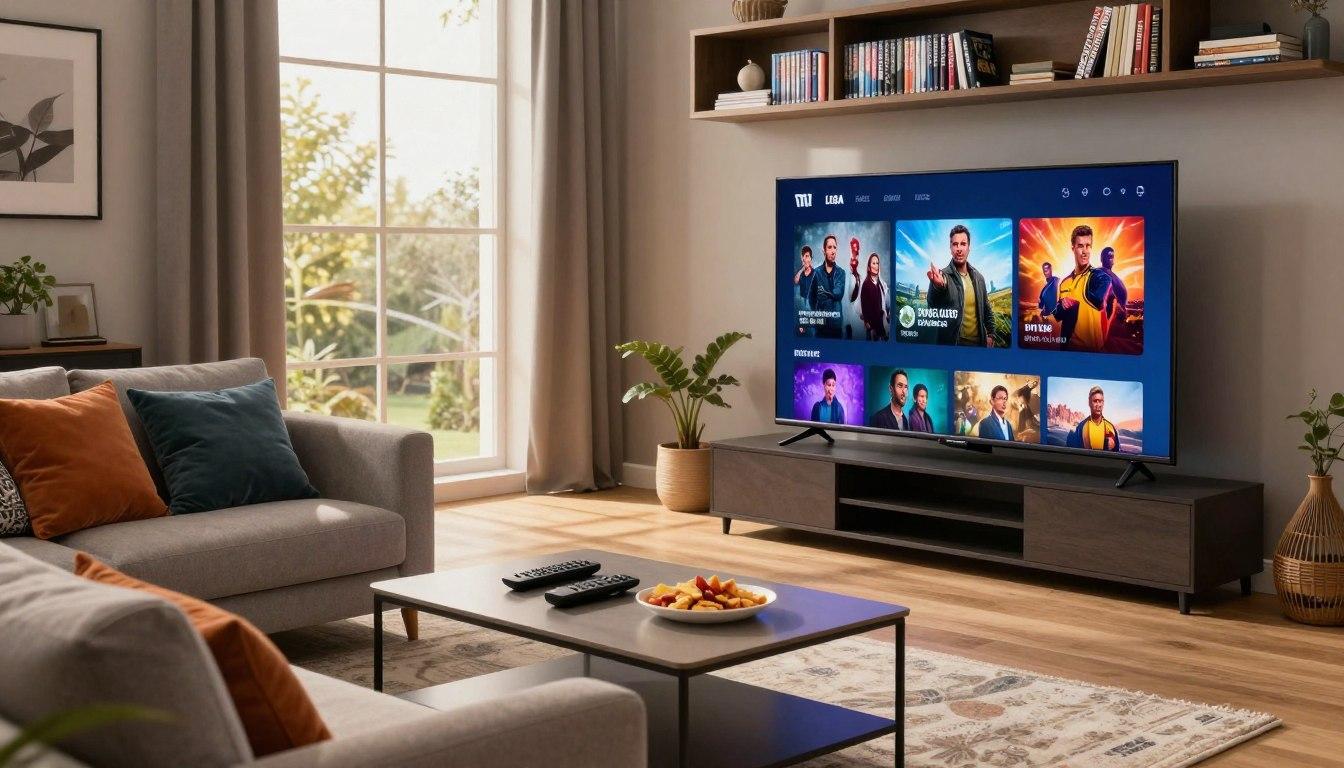
Smart TV viewing through native applications provides optimal festival streaming experiences on large screens with straightforward navigation and integrated streaming optimization. Platform availability varies with official festival apps supporting major smart TV brands.
Setup procedures typically require downloading festival or partner platform applications, creating accounts, purchasing tickets or passes, and authenticating access before scheduled screening times.
Remote control functionality supports playback controls, subtitle selection, audio adjustments, and navigation through festival programming guides. Voice search capabilities on modern smart TVs facilitate content discovery.
Mobile and Tablet Viewing
Portable viewing through smartphones and tablets enables festival participation during travel or flexible viewing locations though compromising cinematic impact through reduced screen sizes.
Download capabilities through some platforms allow offline viewing valuable for areas with limited connectivity or data-capped mobile plans. Downloaded content typically includes time-limited viewing windows maintaining festival exclusivity.
Mobile app features often include push notifications for screening reminders, schedule management tools, and integrated program guides helping festival attendees track desired screenings and manage complex schedules.
Desktop and Laptop Streaming
Browser-based streaming through computers provides reliable access with extensive playback controls and typically broadest platform compatibility. Web interfaces eliminate application download requirements simplifying access.
Multiple monitor advantages enable dedicated film viewing on primary display while maintaining secondary screen availability for festival program browsing, filmmaker research, or note-taking during screenings.
Casting options from computers to televisions using Chromecast, AirPlay, or HDMI connections combine computer platform compatibility with television screen advantages optimizing viewing experiences.
Platforms like IPTV Smarters Player support multiple device types providing consistent festival viewing experiences across various hardware configurations.
Geographic Access and Local Viewing
New York Area Advantages
Local New York viewers enjoy comprehensive access to both physical and virtual festival programming. Hybrid attendance options enable combining in-person premiere experiences with convenient virtual screenings for films scheduled during conflicting times.
Geographic proximity enables participation in festival’s broader cultural programming including panel discussions, industry events, networking opportunities, and experiential installations unavailable to remote audiences.
Community atmosphere in New York during festival period creates unique energy with street programming, restaurant partnerships, and cultural activations throughout Lower Manhattan enhancing festival immersion.
International Audience Considerations
Global streaming access democratizes festival participation enabling international audiences to experience programming without travel expenses, visa requirements, or scheduling complications associated with physical attendance.
Time zone differences affect live event participation with scheduled screenings potentially occurring at inconvenient times for distant viewers. On-demand availability accommodates international audiences enabling viewing at convenient local times.
Language accessibility through subtitle options expands international reach though some titles may have limited subtitle language availability based on production resources and distribution agreements.
Subscription Costs and Ticket Options
Individual Ticket Pricing
Virtual screening tickets typically range $10-20 per film, often below in-person pricing while maintaining revenue supporting festival operations and filmmaker compensation. Pricing reflects production quality, premiere status, and market positioning.
Discounted pricing for local residents or students may be available supporting community engagement and educational access. Verification requirements ensure appropriate audience qualification for discounted rates.
Festival Pass Packages
Multi-film passes provide better value for dedicated festival attendees planning extensive viewing. Pass options might include all-access virtual passes, section-specific bundles, or tiered packages balancing affordability against comprehensive access.
Early-bird pricing rewards advance commitment with discounted rates compared to last-minute purchases. Limited-time promotional offers during ticket launch periods maximize early sales supporting festival planning.
Membership benefits through Tribeca Film Festival include ticket discounts, priority access, exclusive events, and year-round programming access justifying annual membership costs for dedicated supporters.
Budget Optimization Strategies
Strategic planning prioritizes most desired films while considering pass options if planning extensive participation. Cost comparison between individual tickets and passes identifies optimal purchasing strategies based on viewing goals.
Free programming occasionally includes select panels, conversations, or outdoor screenings providing festival exposure without financial commitment. These offerings introduce festival culture to potential future paying attendees.
For film festival coverage and reviews, IndieWire provides comprehensive analysis, interviews, and industry insights.
Enhanced Festival Experience Features
Live Q&A and Filmmaker Interactions
Virtual Q&A sessions following screenings replicate theatrical festival traditions adapted for digital formats. Live streaming enables global audiences to participate in filmmaker discussions typically limited to physical attendees.
Moderated conversations maintain respectful dialogue while encouraging meaningful exchange. Question submission processes balance audience participation with time constraints and discussion quality.
Archived Q&A access extends engagement beyond live events enabling viewers to experience filmmaker conversations on-demand. These resources provide valuable insights into creative processes, production challenges, and artistic intentions.
Interactive Festival Elements
Chat functionality during screenings or discussions creates community experiences connecting dispersed audiences through shared engagement. Real-time reactions and commentary replicate social aspects of theatrical attendance.
Social media integration through official festival hashtags amplifies conversations beyond platform boundaries. Festival teams monitor and engage with social discussions building community and gathering feedback.
Virtual networking opportunities connect industry professionals, filmmakers, and enthusiasts through scheduled events, discussion rooms, and matchmaking features facilitating professional relationships and creative collaborations.
Supplementary Content and Resources
Behind-scenes materials including production documentaries, filmmaker interviews, and contextual essays enrich understanding beyond film viewing. Educational resources support deeper appreciation of artistic choices and thematic concerns.
Industry panels and masterclasses provide professional development resources for aspiring filmmakers and industry professionals. These sessions cover topics including financing, distribution, creative processes, and industry trends.
Future Digital Festival Developments
Technology Evolution
Advancing streaming technologies promise improved video quality, interactive features, and virtual reality integration transforming home festival experiences. 8K streaming and high dynamic range imaging will approach theatrical presentation quality.
Artificial intelligence applications might provide personalized programming recommendations, automated accessibility features, and enhanced content discovery improving festival navigation for diverse audiences.
Live streaming evolution may enable real-time premiere simulcasts creating global audiences attending festival screenings simultaneously with physical attendees, preserving premiere excitement while democratizing access.
Hybrid Festival Models
Permanent hybrid programming combining physical and virtual components appears likely as festivals recognize expanded audience reach and sustainable revenue diversification. Digital infrastructure investments continue delivering value beyond pandemic necessity.
Filmmaker acceptance of virtual premieres grows as artists recognize expanded audience reach and distribution opportunities. Economic realities support digital distribution supplementing challenged theatrical exhibition models.
Conclusion
This IPTV guide equips film enthusiasts with comprehensive knowledge for accessing Tribeca Film Festival programming through digital platforms, enabling participation in this prestigious New York cultural event without geographic limitations or in-person attendance requirements.
Successful virtual festival participation requires careful platform selection, technical preparation, and strategic ticket purchasing balanced against viewing priorities and budget constraints. Multiple access pathways ensure options suited to different preferences and circumstances.
The evolution of festival streaming represents permanent transformation in audience engagement with premiere cinema, preserving theatrical culture while embracing digital accessibility ensuring continued festival vitality and filmmaker support.